Contact Belinda here to find out more about private Pilates classes and Arbonne skincare, supplements and cosmetics that are packed with the nutritious power of plants.
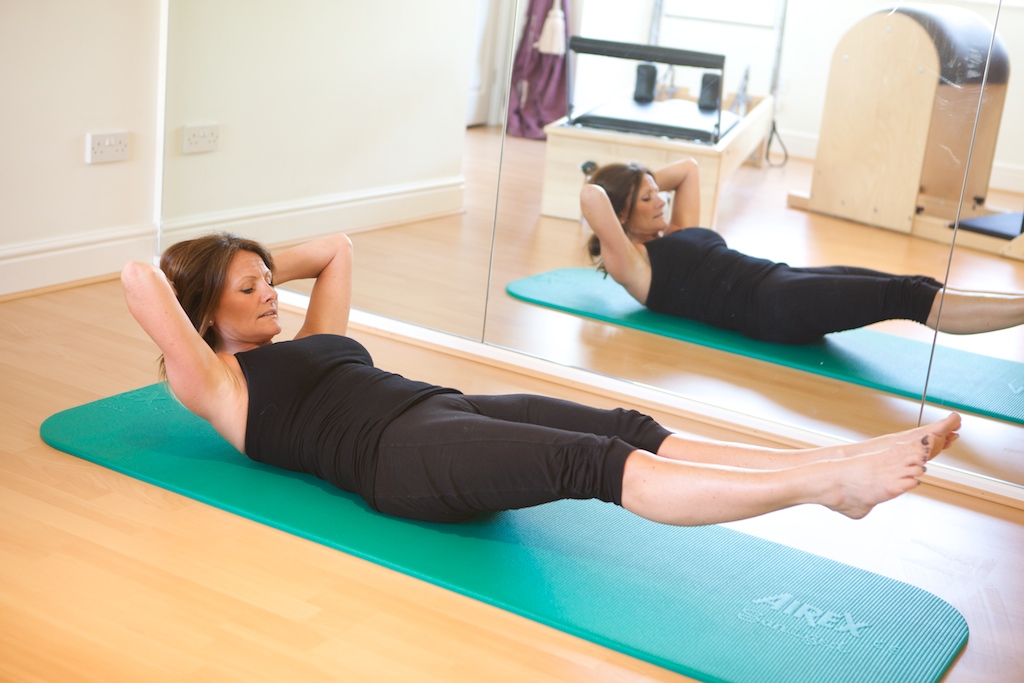
Even though a holistic fitness approach like Pilates is relaxing and stress-relieving, there are times when your motivation might dip. Rather than give up on your routine, use these 10 tips to stick with your Pilates regimen and reap the full benefits:
Commit to the benefits regular exercise will bestow
Whenever you feel tempted to ditch your exercise routine, remind yourself of the many physical benefits you will reap with continued practice. Pilates develops beautiful, toned muscles and will help you build a stronger, pain-free back. You will be suppler and more toned if you stick to your exercise plan.
Consciously choose a more active lifestyle
If you constantly make active choices, it will be easier to exercise even on the days when motivation dips. If you have a choice between the elevator or stairs, take the stairs. At every opportunity, reassert your commitment to a healthier body and life.
Make exercise a vital component of your weekly routine
We schedule many non-negotiable appointments regularly. You can’t easily side-step a surgery or an important family occasion. Give your weekly Pilates routine that same dedication and commitment. Schedule exercise time that nothing else can take over
Maintain a can-do, positive outlook
The first step wrong when people abandon their exercise plans is saying ‘I can’t’. There is great power in the words ‘I choose’. Instead of thinking ‘I have to do my Pilates exercises if I want to strengthen my posture and back’, think ‘I choose to do my Pilates exercises because it will be wonderful to have improved physical health.’
Don’t only maintain good posture during exercises
Good form in Pilates is essential to getting the maximum benefit out of exercises. Don’t only maintain correct posture during your routine. Remember to maintain a good posture that places the least possible strain on your lower back when you are out of the studio too. This constant mindfulness will keep you focused on attaining physical fitness and wellbeing.
Strike a balance between exercise and rest
Although it can be good to push yourself gently, remember to balance your Pilates regimen with rest. Give your muscles time to recover when they need to. This will help prevent injury through overwork.
Commit to doing some movement every day, even if it’s one exercise series
To stay focused and make exercise a natural part of your week, it helps to do some extended movement every day. Even if you don’t have enough free time, do just one exercise or one short series daily. It will become second nature quickly.
Practice being present and mindful in every movement
One of the benefits of Pilates is that it can acquire a meditative quality if you are truly present and focused on every movement. Make sure every time you do your exercises that you do not let your mind wander to stresses and background mental chatter. Giving your routine this degree of focus will increase your enjoyment and commitment
Be patient with yourself and your progress
It’s easy to become despondent and feel defeated if you put pressure on yourself to make rapid progress. As with learning the ropes in any new fitness regime, it takes time to become adept at Pilates. Be patient with yourself and set achievable targets for how much you will do each session
Be realistic about what Pilates will achieve
It will be tempting to abandon your exercise routine if you have unrealistic expectations of Pilates. If you already have chronic back pain, for example, your instructor will need to carefully select remedial exercises and will make sure you don’t overdo it. Slow progress is progress, however, and a long-term remedial exercise plan can give you greater flexibility and will alleviate – and potentially even eliminate – chronic pain.
Interested in starting Pilates? Contact Belinda today to find out about class times and other details.
Pilates is a great way to introduce a holistic fitness system to your weekly regimen, but if you’re a newcomer there are mistakes that are all too easy to make. Here are 10 mistakes you should never make in a Pilates class:
Good breathing is fundamental to good Pilates practice. Breathing well gives stamina and support and helps you to engage your core muscle group correctly so that each movement carries the lowest possible chance of injury.
Your alignment – the position and coordination of your spine, limbs, and muscles, is crucial for physical wellbeing and good back health. In Pilates class, remember to be aware of and maintain good alignment throughout each move, both upon beginning and completing.
Although the pelvic floor helps to support you through abdominal exercises, it’s possible to cause injury by overworking this key muscle group. Be careful that you only engage your Pelvic floor as much as necessary to complete each movement.
The core – the series of muscles extending from your back to your abs and pelvis – helps you to carry out physical activities with stability and strength. In Pilates class, focus on learning to engage your whole core so that you are not placing undue pressure on one particular muscle group.
We all have favourite moves and exercises in Pilates, but remember to be balanced and to do all the exercises your body needs. If you only focus on a favourite, this could lead to counter-productive muscle strain.
Once you have a strong core, your movements will naturally be stronger and more powerful, underwritten by strong core structure. But to get there you need to practice movements that bring you the maximum result without excessive effort. The straining effort could cause injury.
Because of its athletic and adrenalin-boosting nature, a fitness method can make us feel competitive in group environments. Yet being competitive with your neighbour can distract you from engaging muscles correctly, and may lead you to over-extend. Instead, focus on improving your form and matching your own personal bests.
Measured and graceful movements are core to good Pilates practice. It is far preferable to complete each movement with good form than rush and not experience the full benefit of each movement.
9. Creating unnecessary neck tension
A stiff and tense neck can become painful and cause further tension down the spine that is bad for your back. When you perform ab exercises in Pilates class, take care not to hold your neck at an awkward angle or use your neck muscles to lift your back off the mat.
Pilates equips you with core and back-strengthening exercises you can perform at home with a mat and supports but remember to take every lesson you learn in class with you for in-home practice. If possible, find a floor length mirror that will let you see that you keep good form.
Want to get going with a holistic fitness approach this summer? Find out more about Belinda’s Pilates classes now.
The majority of adults will suffer from back pain at some point in their lives. Back pain can be highly distressing, and if left to worsen can result in conditions such as bulging discs that are even more painful. Pilates has long been used to alleviate lower back pain. Yet there are many sources of misinformation about the holistic fitness system. Here are 5 common myths about Pilates and lower back pain and why they are untrue:
Myth 1 Pilates will worsen your back pain
Pilates, like any good exercise approach, is scalable. This means you can adjust your routine according to where your body is currently at. A qualified, careful Pilate’s instructor will not push you beyond what is safe for your back’s current state.
Myth 2 Pilates will cure all your aches and pains
Myth 3 Pilates can cure back injuries
Myth 4 Pilates is not as effective as painkiller medication for alleviating back pain
Myth 5 You need special equipment to strengthen your lower back with Pilates
Pilates is not a panacea for back injuries, but if you attend sessions with a qualified practitioner, communicate clearly with your instructor and don’t push yourself beyond your limits, you will reap the full rewards of improved core strength and a stronger, aligned and flexible back.
Want to build a healthier back? Contact Belinda today to find out more about a group or private Pilates classes.
5 benefits of Pilates for alleviating lower back pain
Lower back pain affects the majority of people – Arthritis Research UK suggests 4 out of 5 people – at one or another stage of life. Lower back pain can have multiple causes, from accidents sustained due to poor core strength to poor posture. Pilates is a holistic, therapeutic fitness system devised to strengthen tone and make the body more supple. When you perform the correct exercises, it also alleviates lower back pain.
How does Pilates relieve lower back pain?
The movement equipment and exercises that form the core of Pilates practice have been developed over decades. During this time, practitioners and health organizations have discovered that Pilates eases lower back pain and offers multiple benefits. The benefits of regular Pilates practice for those afflicted with back pain include:
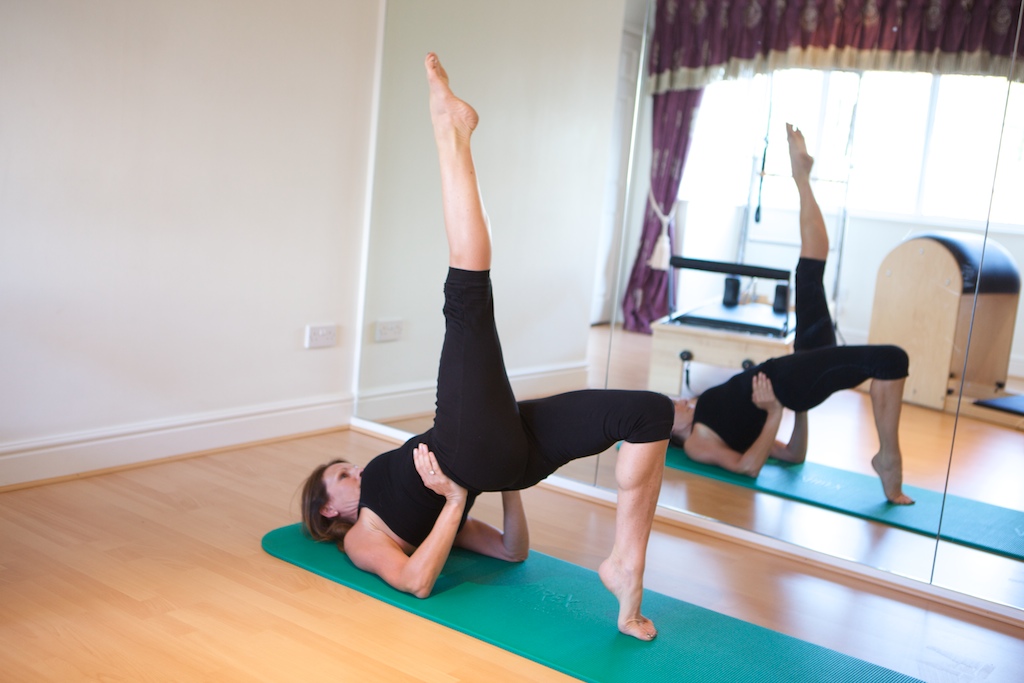
Pilates exercises such as bridge roll-ups work to loosen muscles in the lower back, while also increasing back strength and stability. Besides easing back pain, Pilates strengthens the entire back, producing lasting benefits.
Keeping sub-optimal posture over long periods of time produces additional wear and tear on the spine and places undue pressure on the lower back. Pilates exercises systematically develop core muscle groups that support good posture. This relieves weight on the lower back, easing discomfort.
Spinal alignment is core to having good posture and weight carried evenly throughout the back. Performing the right Pilates exercises aligns the spine better through proper spine sequencing.
One of the major benefits of Pilates practice is that sessions can be scaled and adapted to individual Pilates users’ needs. Your lower back pain is specific to your own posture and other contributing factors, and your Pilates instructor can tailor your exercise plan to achieve the best possible results for your back.
Because Pilates is holistic, it works the entire body, toning and increasing flexibility and strength. Balanced distribution of muscle tone and strength means that the lower back is not over-burdened and holding onto tension, tension that would otherwise lead to injury.
Are you ready to build a back for life? Contact Belinda today to find out more about classes.