
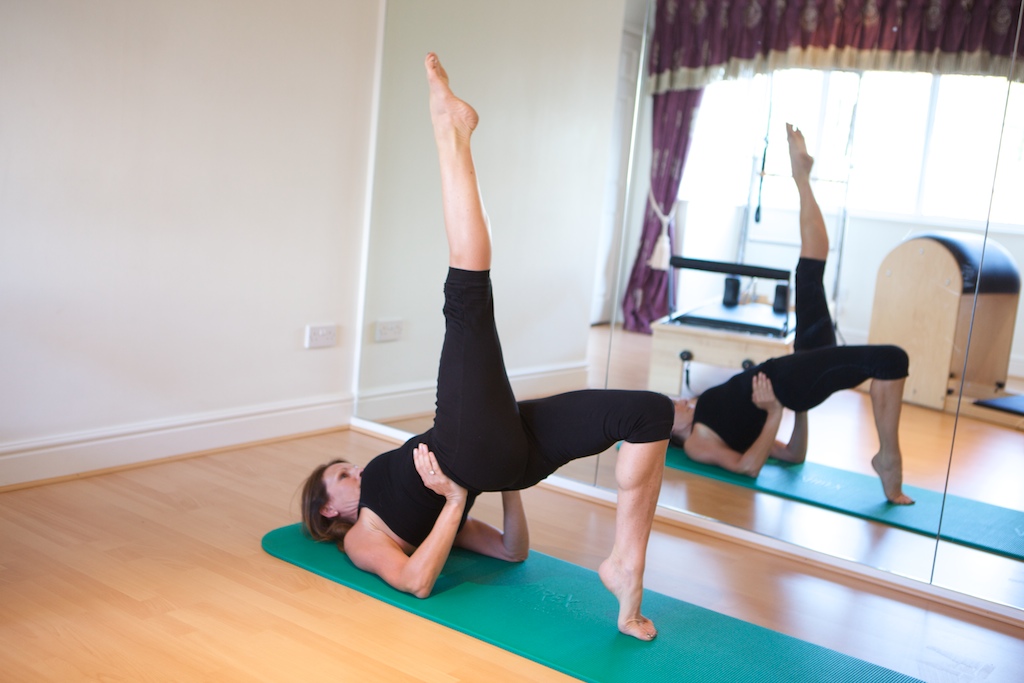
low impact

10 top tips to stick with your Pilates exercise plan

  • Photo 11-03-2012 15 20 04

Even though a holistic fitness approach like Pilates is relaxing and stress-relieving, there are times when your motivation might dip. Rather than give up on your routine, use these 10 tips to stick with your Pilates regimen and reap the full benefits:

Commit to the benefits regular exercise will bestow

Whenever you feel tempted to ditch your exercise routine, remind yourself of the many physical benefits you will reap with continued practice. Pilates develops beautiful, toned muscles and will help you build a stronger, pain-free back. You will be suppler and more toned if you stick to your exercise plan.

Consciously choose a more active lifestyle

If you constantly make active choices, it will be easier to exercise even on the days when motivation dips. If you have a choice between the elevator or stairs, take the stairs. At every opportunity, reassert your commitment to a healthier body and life.

Make exercise a vital component of your weekly routine

We schedule many non-negotiable appointments regularly. You can’t easily side-step a surgery or an important family occasion. Give your weekly Pilates routine that same dedication and commitment. Schedule exercise time that nothing else can take over

Maintain a can-do, positive outlook

The first step wrong when people abandon their exercise plans is saying ‘I can’t’. There is great power in the words ‘I choose’. Instead of thinking ‘I have to do my Pilates exercises if I want to strengthen my posture and back’, think ‘I choose to do my Pilates exercises because it will be wonderful to have improved physical health.’

Don’t only maintain good posture during exercises

Good form in Pilates is essential to getting the maximum benefit out of exercises. Don’t only maintain correct posture during your routine. Remember to maintain a good posture that places the least possible strain on your lower back when you are out of the studio too. This constant mindfulness will keep you focused on attaining physical fitness and wellbeing.

Strike a balance between exercise and rest

Although it can be good to push yourself gently, remember to balance your Pilates regimen with rest. Give your muscles time to recover when they need to. This will help prevent injury through overwork.

Commit to doing some movement every day, even if it’s one exercise series

To stay focused and make exercise a natural part of your week, it helps to do some extended movement every day. Even if you don’t have enough free time, do just one exercise or one short series daily. It will become second nature quickly.

Practice being present and mindful in every movement

One of the benefits of Pilates is that it can acquire a meditative quality if you are truly present and focused on every movement. Make sure every time you do your exercises that you do not let your mind wander to stresses and background mental chatter. Giving your routine this degree of focus will increase your enjoyment and commitment

Be patient with yourself and your progress

It’s easy to become despondent and feel defeated if you put pressure on yourself to make rapid progress. As with learning the ropes in any new fitness regime, it takes time to become adept at Pilates. Be patient with yourself and set achievable targets for how much you will do each session

Be realistic about what Pilates will achieve

It will be tempting to abandon your exercise routine if you have unrealistic expectations of Pilates. If you already have chronic back pain, for example, your instructor will need to carefully select remedial exercises and will make sure you don’t overdo it. Slow progress is progress, however, and a long-term remedial exercise plan can give you greater flexibility and will alleviate – and potentially even eliminate – chronic pain.

Interested in starting Pilates? Contact Belinda today to find out about class times and other details.
10 mistakes you should never make in Pilates class

  • BM066

Pilates is a great way to introduce a holistic fitness system to your weekly regimen, but if you’re a newcomer there are mistakes that are all too easy to make. Here are 10 mistakes you should never make in a Pilates class:

  1. Bracing instead of breathing

Good breathing is fundamental to good Pilates practice. Breathing well gives stamina and support and helps you to engage your core muscle group correctly so that each movement carries the lowest possible chance of injury.

  1. Forgetting your alignment

Your alignment – the position and coordination of your spine, limbs, and muscles, is crucial for physical wellbeing and good back health. In Pilates class, remember to be aware of and maintain good alignment throughout each move, both upon beginning and completing.

  1. Overusing pelvic muscles when they aren’t needed

Although the pelvic floor helps to support you through abdominal exercises, it’s possible to cause injury by overworking this key muscle group. Be careful that you only engage your Pelvic floor as much as necessary to complete each movement.

  1. Forgetting to engage your actual core

The core – the series of muscles extending from your back to your abs and pelvis – helps you to carry out physical activities with stability and strength. In Pilates class, focus on learning to engage your whole core so that you are not placing undue pressure on one particular muscle group.

  1. Doing your favourite moves instead of what your body needs

We all have favourite moves and exercises in Pilates, but remember to be balanced and to do all the exercises your body needs. If you only focus on a favourite, this could lead to counter-productive muscle strain.

  1. Making powerful rather than effortless movements

Once you have a strong core, your movements will naturally be stronger and more powerful, underwritten by strong core structure. But to get there you need to practice movements that bring you the maximum result without excessive effort. The straining effort could cause injury.

  1. Being competitive with your neighbour

Because of its athletic and adrenalin-boosting nature, a fitness method can make us feel competitive in group environments. Yet being competitive with your neighbour can distract you from engaging muscles correctly, and may lead you to over-extend. Instead, focus on improving your form and matching your own personal bests.

  1. Rushing each movement

Measured and graceful movements are core to good Pilates practice. It is far preferable to complete each movement with good form than rush and not experience the full benefit of each movement.

9. Creating unnecessary neck tension


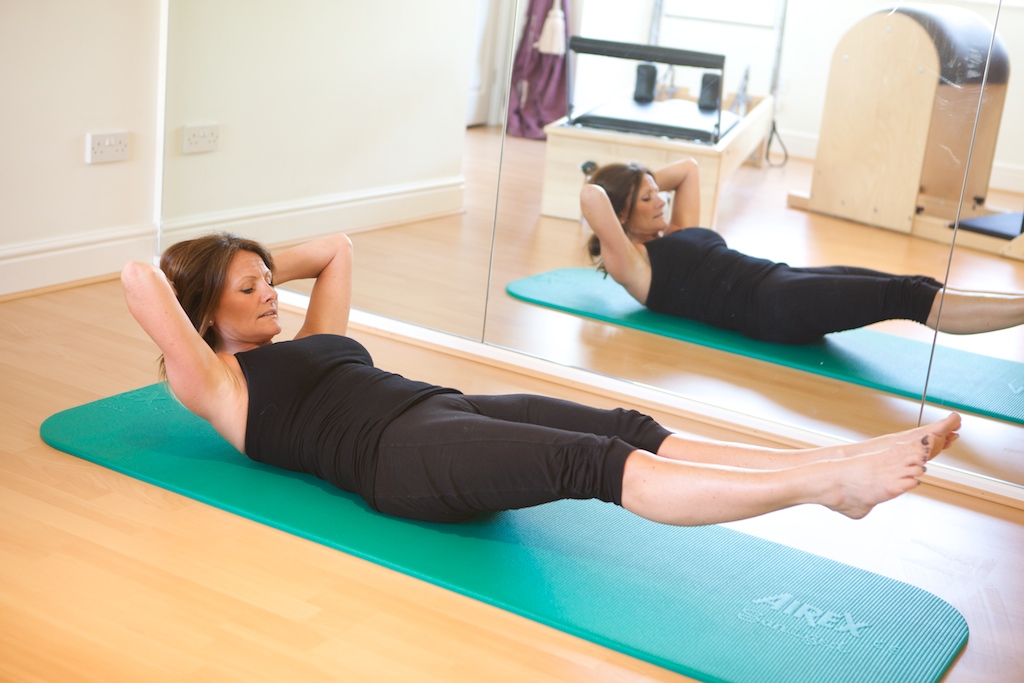
A stiff and tense neck can become painful and cause further tension down the spine that is bad for your back. When you perform ab exercises in Pilates class, take care not to hold your neck at an awkward angle or use your neck muscles to lift your back off the mat.

  1. Leaving your Pilates learnings in the classroom

Pilates equips you with core and back-strengthening exercises you can perform at home with a mat and supports but remember to take every lesson you learn in class with you for in-home practice. If possible, find a floor length mirror that will let you see that you keep good form.

Want to get going with a holistic fitness approach this summer? Find out more about Belinda’s Pilates classes now.

Pilates for Healthy Golden Years

  • Joseph Pilates

As you get older, stiff and aching joints and back pain can create ongoing discomfort. Yet it’s possible to find relief and strengthen your core for better mobility and strength using Pilates. Here’s why Pilates is the ideal fitness approach for the over 50:

Why Pilates?

As we mature, we often lose mobility and flexibility due to a combination of disuse of important muscle groups and natural wear and tear. Pilates is an adaptable exercise system that can be tailored to your fitness level, making it ideal for seniors who have been sedentary and wish to start slow.

The benefits of Pilates for older trainees

The Pilates fitness method was designed to create strength without adding unnecessary body mass. This is ideal for mature men and women who do not want to lug extra body weight around. In addition to building strength, Pilates for seniors provides many other benefits:

• It’s a gentler way to stay fit: A qualified instructor matches classes to your current fitness and strength levels.

• It helps alleviate arthritis: Pilates’ focus on flexibility-aiding movement decreases the risk of joints compressing and causing pain.

• It works against any tendency to hunch: Pilates promotes longer, leaner limbs and helps you to maintain better posture.

• It increases stability and balance: Much of the strengthening effect of Pilates is attained through balancing exercises that use your own body weight and the natural force of gravity to provide a gentle exercise routine.

• It boosts mental alertness and stamina: Many seniors experience mild memory loss. The focus Pilates fosters aids mental stamina and consistent exercise increases alertness and overall feelings of wellbeing.

So, if you are looking for a scalable, tailored exercise approach that respects your current capabilities and runs a lower risk of injury, Pilates is ideal. Join a class for over 50’s so that you can enjoy gentle exercises that prevent and alleviate the physical complaints that most commonly affect your age group.